wildflower restoration, acre by acre

bring itback.

A restoration platform that turns bare ground back into wildflower meadow — the right seed mix, the right season, tracked acre by acre.
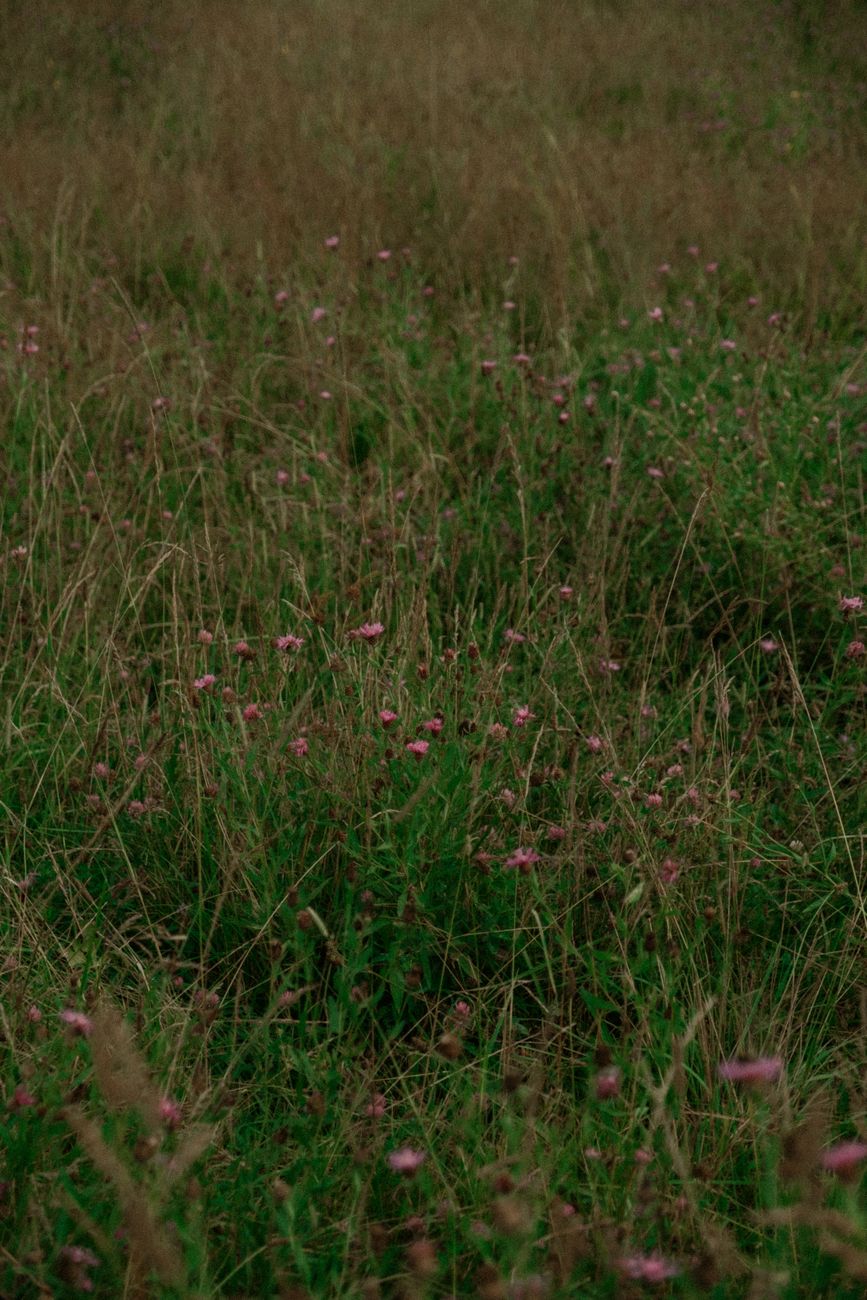
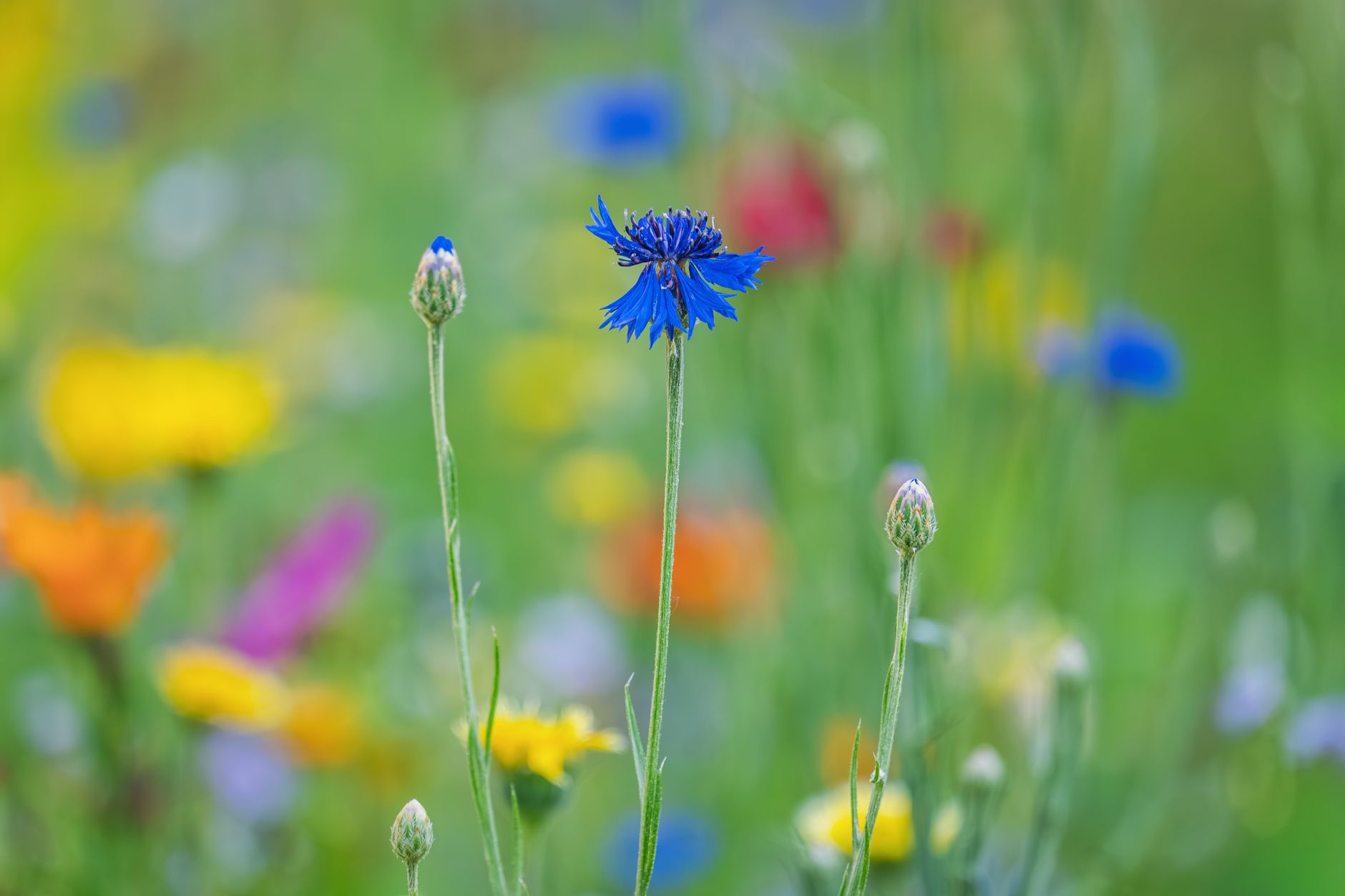
Wildflower MeadowWildflower Field Closeup
● blooming now · 214 species
01

How a meadow comes back

Three moves, and a lot of patience.

/ 01

Pick your site

Survey the ground and be honest about the soil. Poor soil is not a problem here — it's the whole point.

/ 02

Sow the mix

Native seed, right ratio, autumn window. Yellow rattle does the weeding, the flowers do the rest.

/ 03

Let it return

One late-summer cut after seed set, then stand back. Year one is green. Year three is alive.

02

The seed mix matrix

Species × bloom period. Every colour in a meadow, on a calendar.

species
apr
may
jun
jul
aug
sep
common poppyannual
cornflowerannual
oxeye daisyperennial
yarrowperennial
yellow rattleannual
sheep's fescuegrass

six species, one season. sow once, and the bloom rolls from april to september — nothing gaps, nothing peaks alone. how to read it

04

A meadow, moving

The whole point is that it sways.

field footage · David Roberts
05

Four blooms

The species decide the season.

Red Poppies Closeup
scarlet

Poppy

First up, on the bare soil of year one.

june
Blue Cornflower Flower
blue

Cornflower

The shoulder of the meadow, tall and deep.

june – aug
White Yarrow Flower
white

Yarrow

Flat heads the hoverflies refuse to leave.
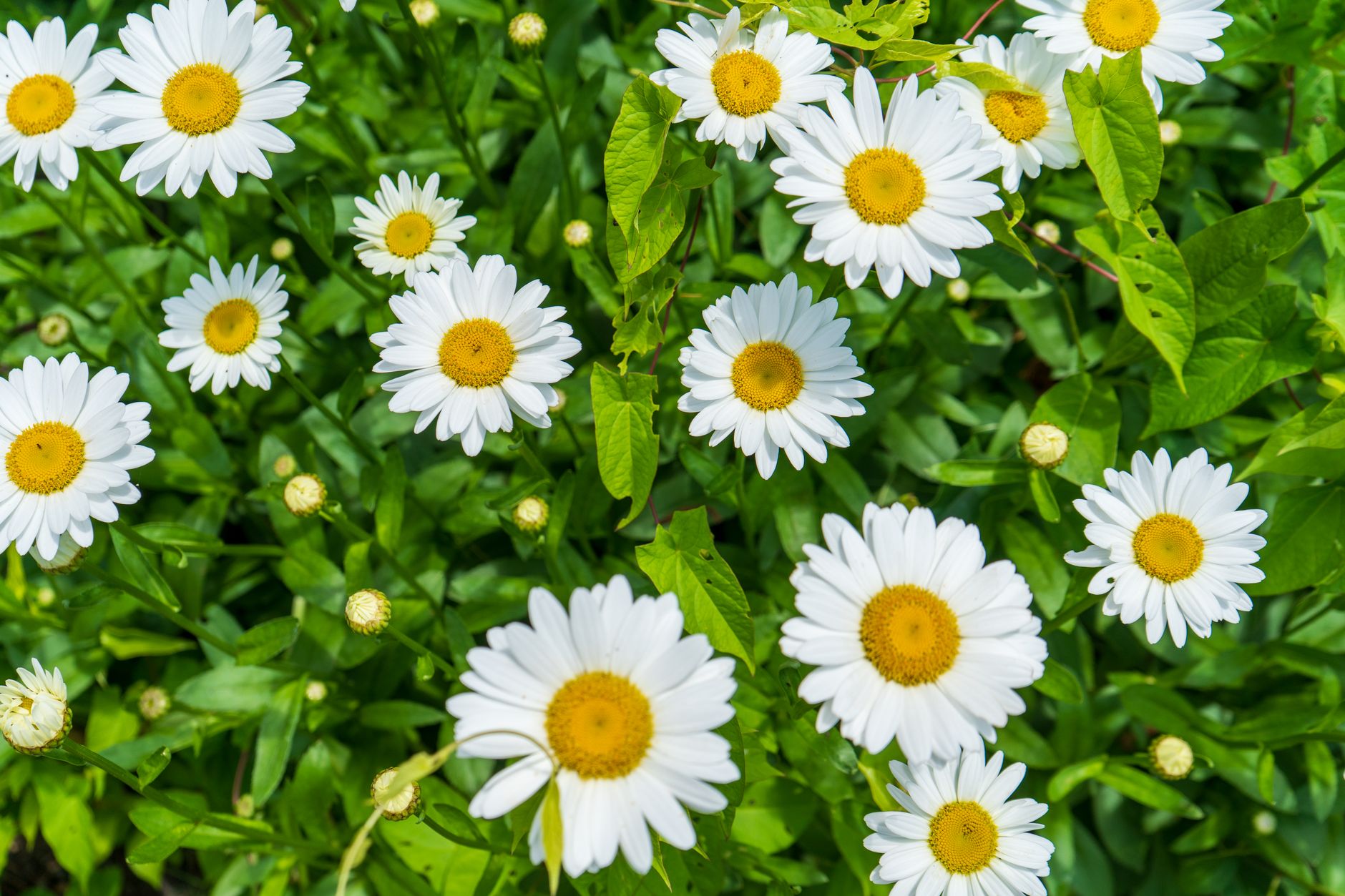
jun – sep
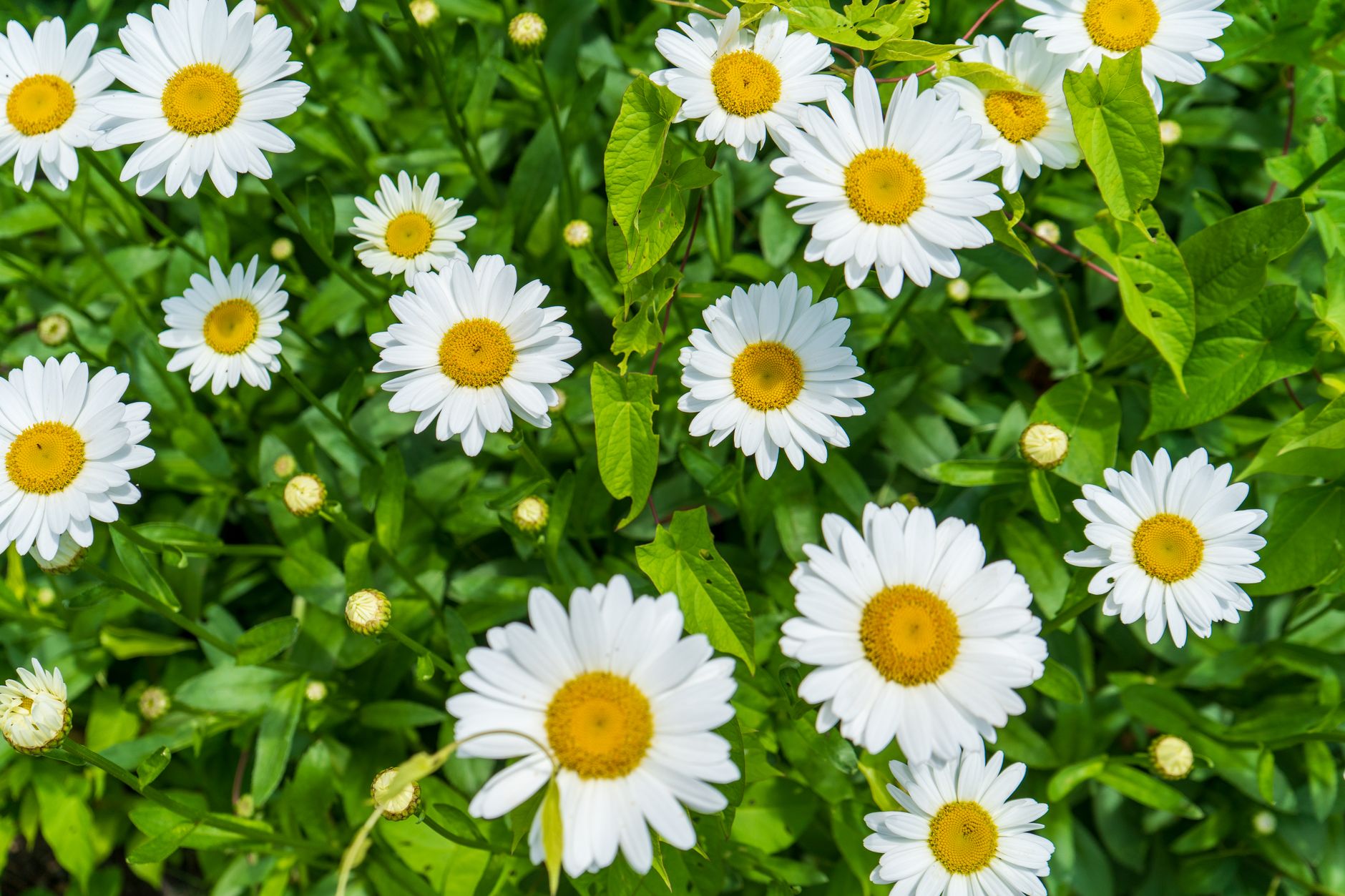
A vibrant display of white daisies with yellow centers thriving in a lush green garden.
daisy

Oxeye daisy

The last one standing, come september.

may – sep
Hands Planting Native Plant Soil
Hands in the ground, seed in the soil.
From the desk of Iris Fielding

Lawns are the loudest silence we ever planted.

I grew up next to a field that my grandfather stopped mowing in 1974. By the time I was ten it was poppies and oxeyes as far as a child could see, and it hummed. I've been trying to describe that hum to people ever since.

Here's what I've learned: a meadow is not a garden you've given up on. It's a system you've stopped fighting. The seed is mostly already in the ground, waiting. What it needs from you is mostly restraint — one cut, at the right time, and then leave it alone.

So here's the invitation: pick a corner you're tired of mowing. Sow the mix. Then spend a year doing nothing, which is the hardest gardening there is.

Iris FieldingFounder, meadow
06

By the numbers

Live, from our backend.

1,240
acres restored
214
native species
48k
pollinators recorded
31
seed mixes
07

Loved by landowners

People who stopped mowing.

★★★★★

"We turned a three-acre paddock over to the mix in October. By July it was poppies to the fence line."

Eleanor R.Smallholder, Devon
★★★★★

"I'd mown the same lawn for twenty years. Stopped, sowed, and now I count forty butterflies a day."

Marcus W.Suburban gardener
★★★★★

"The matrix told us exactly what would bloom when. First summer, everything on the chart showed up on time."

Priya S.Parish council
08

The roadmap

Where we're growing.

Q3 2026

Native seed marketplace + the bloom calendar, live.

Q4 2026

Community recording and a public meadow map.

Q1 2027

Grant-matching for parish councils and land trusts.

Q2 2027

Meadow hardware — a soil sensor that reports from the field.

09

Questions, answered.

What is a meadow mix?+
A blend of native wildflower and fine-grass seed, sown at a low rate so nothing out-competes the rest. It's the opposite of a lawn mix — poor soil, no fertiliser, and one cut a year.
Do I need to dig up my lawn?+
Usually, no. On fertile lawn, the better move is to cut and remove for a season to starve the grass, or sow yellow rattle to weaken it. Turf-stripping is a last resort for the most stubborn swards.
When do I sow?+
Autumn is best — September to October. The seed stratifies over winter and germinates in spring. A spring sowing can work but is far less reliable in a dry year.
Will it come back every year?+
Yes — that's the whole point. Annuals like poppy and cornflower self-seed; perennials like yarrow and oxeye return from the root. After year three, you barely intervene at all.
Is it really better than a lawn for pollinators?+
A lawn feeds almost nothing. A mature meadow can host forty pollinator visits per square metre an hour in high summer. It's not close.
Do you ship seed?+
We spec the mix and connect you with local, native seed suppliers. Keeping seed local matters — a Devon mix belongs in Devon.

The meadow is already waiting.

bring it back.

You're in — we'll email you at launch.